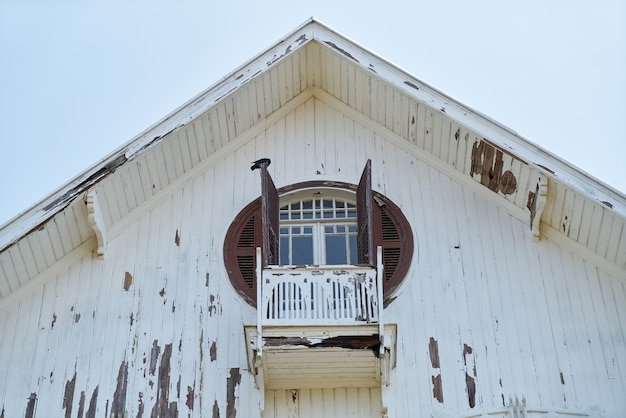
Attic mold is a common yet often overlooked issue that can have significant repercussions on a home’s structural integrity and the health of its occupants. The growth of mold in attics is primarily due to excess moisture, inadequate ventilation, and varying temperatures, creating an ideal environment for mold spores to thrive. The presence of attic mold not only affects indoor air quality but can also lead to costly repairs if not addressed promptly. Understanding the intricacies of attic mold and the importance of professional removal services is crucial for homeowners aiming to maintain a healthy and safe living environment.
Understanding the Causes of Attic Mold
Identifying the root causes of attic mold is the first step in effective mold remediation. Here are some common factors that contribute to mold growth in attics:
- Moisture Intrusion: Leaks from the roof or plumbing can introduce moisture, creating an ideal breeding ground for mold.
- Inadequate Ventilation: Poor airflow prevents moisture from evaporating, leading to condensation and mold growth.
- Temperature Fluctuations: Varying temperatures can cause condensation, which promotes mold colonization.
- Improper Insulation: Insufficient insulation can lead to temperature imbalances and moisture accumulation.
The Importance of Professional Mold Removal
Addressing attic mold requires a comprehensive approach that balances remediation with prevention. Professional mold removal services offer several advantages:
- Expert Assessment: Trained professionals can accurately identify mold species and assess the extent of the infestation.
- Customized Solutions: Specialists develop tailored strategies to effectively eradicate mold and prevent future growth. Learn about our tailored solutions.
- Advanced Equipment: Utilizing state-of-the-art tools ensures thorough removal and cleaning of affected areas.
- Health and Safety: Professionals adhere to safety standards, ensuring the health of occupants is prioritized during the removal process.
Steps Involved in Attic Mold Removal
Inspection and Assessment
The initial phase involves a detailed inspection to understand the severity and spread of the mold. This step is crucial for devising an effective remediation plan. Discover expert strategies here.
Containment
Containing the affected area prevents mold spores from spreading to other parts of the house. This involves sealing off the attic and using negative air pressure systems to control airflow.
Removal and Cleaning
The actual removal process involves cleaning and treating the infested surfaces with specialized solutions. This step ensures that mold is completely eradicated from the area.
Restoration and Prevention
Post-removal, the focus shifts to restoring any damaged structures and implementing preventive measures such as improved ventilation and insulation. Explore advanced guides and tips.
Choosing the Right Mold Removal Service
When selecting a mold removal service, consider the following factors:
- Experience and Credentials: Verify the company?s expertise and certifications in mold remediation.
- Reputation: Research customer reviews and testimonials to gauge service quality.
- Comprehensive Services: Ensure the service covers inspection, removal, and preventive measures.
- Safety Protocols: Confirm that the company follows industry-standard safety procedures.
Addressing attic mold promptly with the assistance of professional services is essential for preserving the health of a home and its residents. Find out more about this approach. An informed choice of a mold removal company can lead to sustainable solutions, safeguarding both property and health from the adverse effects of mold.
